

Physical Therapy for Sciatica
Sciatica can cause sharp or aching pain or a tingling sensation that travels from your lower back down your leg and even into your foot. It often comes from a disc issue or nerve irritation and can make sitting, walking, twisting, or bending uncomfortable.
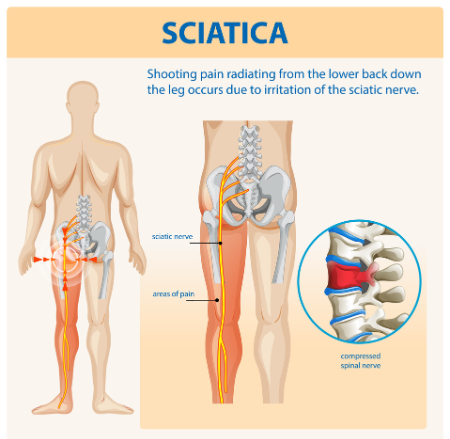
Physical therapy is one of the most effective ways to treat sciatica. A therapist can pinpoint what’s causing your symptoms and guide you through safe, targeted care that helps you move better, and feel better without relying on medication or invasive procedures.
It’s important to keep moving, even though you may not feel like it. Working with a physical therapist will help you find the right motions to improve your symptoms and your mobility.
How Physical Therapy Helps Sciatica
Physical therapy addresses the underlying mechanical and functional causes of sciatic nerve irritation. Treatment programs typically include:
1. Pain Reduction
Physical therapists use targeted exercises, manual therapy techniques, and movement strategies to reduce nerve irritation and decrease inflammation around the lumbar spine. Physical therapy treatments often use repeated spinal movements to centralize symptoms, meaning pain moves away from the leg and toward the lower back, which is considered a positive clinical sign.
2. Improved Mobility and Function
Sciatica often leads to stiffness, muscle guarding, decreased spinal mobility and weakness. Physical therapy restores movement in the lumbar spine, hips, and surrounding muscles, allowing patients to resume daily activities with less pain. Studies have shown that patients referred early to physical therapy demonstrate greater improvement in disability and pain outcomes compared to self-care or no treatment.
3. Reduced Reliance on Medication and Invasive Treatment
Conservative management with physical therapy can reduce the need for opioid pain medications, injections and surgery. By addressing the mechanical causes of nerve compression and improving strength and movement patterns, physical therapy can provide long-term symptom control.
4. Long-Term Prevention
Physical therapists teach patients strategies to maintain spinal health, including posture correction, ergonomic education, and strengthening exercises that prevent recurrence.
Physical Therapy Works
Many studies show that physical therapy leads to:
- Reduced pain
- Better mobility and walking tolerance
- Faster return to normal activities
- Reduced need for medication or injections
The Bottom Line
Physical therapy offers a safe, evidence‑based way to treat sciatica by reducing nerve irritation, restoring movement, and improving function. With consistent participation, many people feel meaningful relief quickly and long-term results with consistent application.