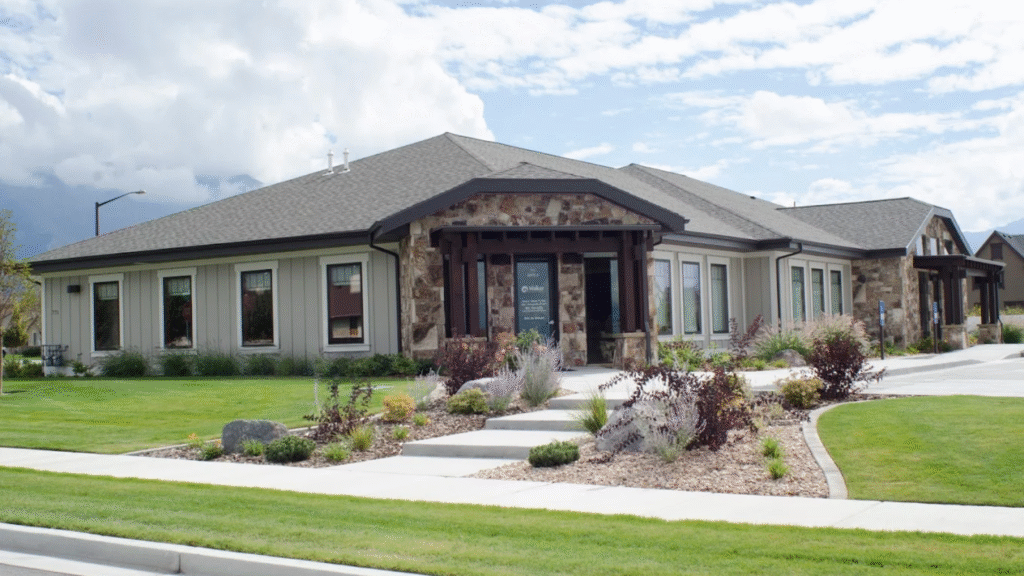

Align PT Services
With all injuries, timing matters. Seeking help from a trusted physical therapist, early on, will allow for quicker recovery times, decrease costs, and limit chronic impairments.
Sports Injuries
Speed is key when treating an injury. 24-hours can make the difference in healing time and return to sport. We provide evidence-based customized treatments to get you back to peak performance and doing what you love. Some common treatments provided include:
- Taping
- ASTYM
- Trigger point dry needling
- Soft tissue mobilizations
- Manipulation
- Running biomechanical analysis
- Golf swing analysis
- Throwing biomechanics
- Scar tissue management
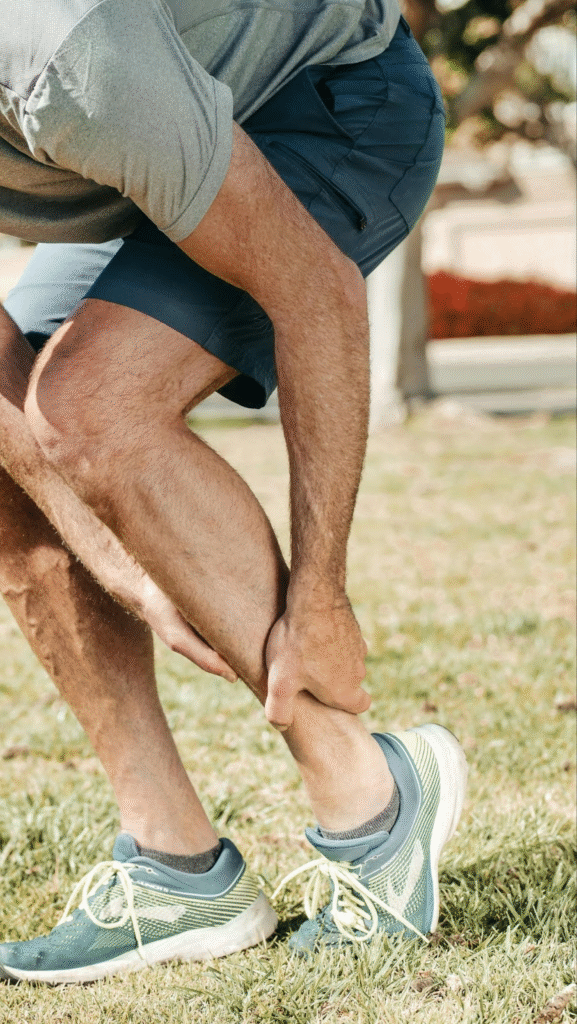
Trigger Point Dry Needling
Trigger points are hyperirritable muscle nodules “knots” that refer pain and restrict motion. Dry needling effectively helps release the tension and restores movement and function. Commonly treated conditions include:
- Neck pain
- Low back pain
- Chronic headaches
- Concussion/whiplash
- Achilles tendonitis
- Shoulder pain
- Shin splints
- Tennis elbow
- Muscle strains
- Osteoarthritis
- Fibromyalgia
- Frozen shoulder / impingement
To reduce pain and muscle tension, improve mobility, and facilitate more effective movement and healing as part of a comprehensive therapy plan.

Post Surgical Rehab
Surgeries happen, and we’re hear for you. Rehabilitation is critical to guarding against complications. We provide a customized treatment plan, following evidence-based protocols that protects healing tissues, increases mobility, rebuilds strength, and transitions you back to full activity as soon as possible.
- ACL repair
- Meniscus repair
- Joint replacements
- Cervical and Lumbar spinal fusion
- Rotator cuff repair
- Labral tears
- Bunion/foot surgery
- Ligament reconstruction
- Carpal tunnel surgery
- Fractures
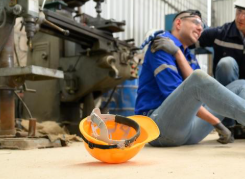
Work-Related Injuries
Injuries sustained on the job often involve repetitive strain, overuse, or acute trauma. Early, targeted rehab decreases chronic disability and gets you back on the job quickly.
- Occupational overuse
- Sprains/strains
- Lifting injuries
- Ergonomic-related pain
Auto Accident
Whiplash, soft tissue injury, nerve irritation, or disc damage may follow a collision. Symptoms can linger if not properly addressed.
- Neck / back pain
- Headaches
- Numbness, tingling
- Burning or weakness in limbs
To resolve post-accident symptoms, restore function, prevent chronic pain, and return you to full daily activities.

Bumps and Bruises
Even minor injuries—sprains, bruises, jammed joints—can linger and impair performance if not managed properly.
- Sprained ankle
- Pulled muscles
- Headaches
- Jammed finger
- Jaw pain
- Tailbone pain
- Pinched nerves
To accelerate healing, reduce pain and stiffness, and guide safe return to normal function and activity.
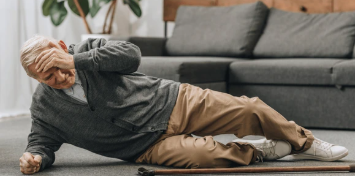
Balance/Falls
Aging, injury, or neurologic changes can impair balance, increasing fall risk. Proactive assessment and training reduce the chance of injury from falls.
- Balance impairment
- Fall risk
- Gait instability
To assess and correct balance deficits, strengthen neuromuscular control, and provide a customized plan to help you stay active and safe in your daily life.
Back & Neck
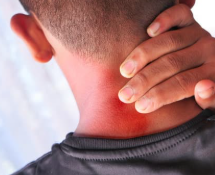
Spine pain is among the most common causes of disability. Causes often include disc issues, nerve impingement, degeneration, or postural strains.
- Scoliosis
- Poor posture
- Rib and thoracic mechanics
- Spinal degeneration
- Sciatica
- Disc issues
- Pinched nerves
- Arthritis
We work to identify root causes of back/neck pain, restore mobility, reduce nerve irritation, and establish a long-term maintenance plan for spinal health.
Deconditioning
When you’ve been inactive (due to injury, surgery, or lifestyle), loss of strength, endurance, and flexibility sets in. Getting back into shape takes structure.
- General deconditioning
- Pre-season fitness (for race, sport, golf, etc.)
- Post-rest or post-injury reconditioning
To rebuild safe, progressive strength and tolerance so you can return to your sport, hobby, or active lifestyle with confidence and lower risk of reinjury.

Chronic Pain
Chronic pain persists long after tissue healing, often due to sensitization, compensatory movement patterns, or systemic conditions.
- Fibromyalgia
- Ehlers-Danlos Syndrome
- Chronic fatigue
- Arthritis
- Parkinson’s-related pain
To manage pain through functional movement re-patterning, manual therapy, neuromuscular training, and empowering you with tools to improve quality of life.
Vertigo
Vertigo refers to the sensation of spinning or movement even when still. It often results from dysfunction in the vestibular (inner ear / balance) system. Vertigo and associated dizziness can severely impair balance, mobility, and confidence, increasing fall risk.
- Benign paroxysmal positional vertigo (BPPV)
- Vestibular neuritis / labyrinthitis
- Persistent post-concussion vestibular dysfunction
- Imbalance and dizziness with head movements
- Gaze instability (difficulty focusing while moving)
- Fall risk and gait instability
We target the root vestibular dysfunction using vestibular rehabilitation therapy (VRT). Our goals include diminishing vertigo episodes, improving gaze stability, reweighting balance reliance across visual, vestibular, and somatosensory systems, and restoring safe mobility. Where applicable, we use repositioning maneuvers (e.g. Epley) and graded balance / habituation exercises to retrain the brain.
Running Injuries & Biomechanics
Repetitive loading is one of the primary causes of overuse injuries. Many runners can log 3,000 miles in a year, subjecting themselves to a variety of issues. Assessing the mechanics of gait can help uncover underlying patterns before they become problems and help resolve chronic injuries that are holding you back. Addressing the mechanics can significantly reduce the risk of injury and help maintain your current training schedule. Some common running injuries include:
- Patellar tendinopathy / “runner’s knee”
- Achilles tendinitis
- Muscle strains
- Patellofemoral tracking disorders
- Iliotibial band syndrome (ITB)
- Stress fractures
- Shin splints / medial tibial stress syndrome
- Plantar fasciitis
We aim to reduce the risk of injury and restore efficient running form using slow-motion video to view asymmetries in foot contact, cadence, and stride to build a targeted exercise plan to get you back to doing what you love safely and efficiently .
Women’s Health
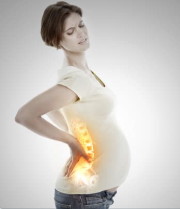
To safely ease pain, restore core and pelvic stability, and help women return to daily life or athletic activity with confidence and strength.
Women encounter unique physiologic stresses—pregnancy, hormonal changes, pelvic dysfunction—that can affect the musculoskeletal system. Physical therapy can restore stability, reduce pain, and reestablish core function.
- Low back pain
- Sciatica
- Shoulder pain
- Abdominal weakness
- Sacroiliac (SI) joint pain
- Headaches
- Diastasis recti
Not Sure? No Problem!
Call us to schedule an appointment for a consultation. We take pride in using the latest in best practice, evidence based physical therapy, to give you the best and fastest results.